By: Shiena Mae A. Paler
The Bicol Region or Region V, also known as Bicolandia, is one of the 17 regions of the Philippines. Bicol (also spelled Bikol) is composed of four provinces in the Bicol Peninsula, the southeastern end of Luzon Island, and two island-provinces adjacent to the peninsula. Its regional center is Legazpi City in Albay province.
If you’re someone looking for great adventure and breathtaking, magical locations, it might surprise you to know there are quite a number of places you can easily drive to and be blown away by…in Bicol.
Yes. Bicol.
Bicol Region is steeped in rich culture and beauty, and whether it’s a beach, a waterfall, or a church, everything about it is beautiful.
Owing to its location, Region V offers plenty of choices for visitors – beautiful natural features like beaches, mountains and waterfalls with lush vegetation; activities could include scuba diving to wrecked galleons, spelunking, mountaineering; or visits to man-made attractions like church architecture from the Spanish Colonial Period; etc.
Here’s the Top 5 Must Visit Attractions In Bicol
Mayon Volcano in Legazpi City
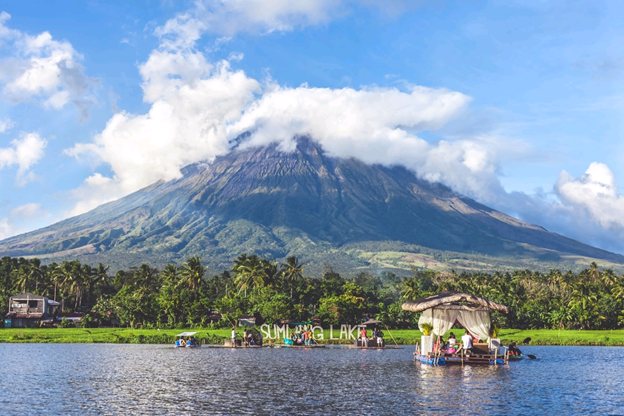
Take remarkable photographs of Mayon Volcano and experience the raw scenic beauty that surrounds it. Known for its perfectly symmetrical cone shape, the closely monitored active stratovolcano rises 2,463 m (8,081 ft) with hardened layers of pyroclastic and lava flows from past eruptions.
A progressive city by the bay with the Philippines’ most active volcano and the world’s most perfect cone on the backdrop is Legazpi City.
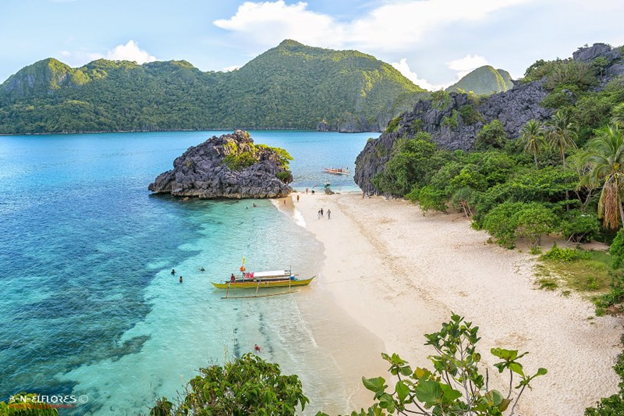
Matukad Island in Caramoan, Camarines Sur
Matukad is one of the smaller islands off the coast of the Caramoan peninsula. Like many islands in the area, its beaches and surrounding waters are freckled with towering limestone cliffs. But they are not even its biggest selling point. What many visitors love about Matukad Island is its fine, fine sand that can definitely give Boracay a run for its tourist money.
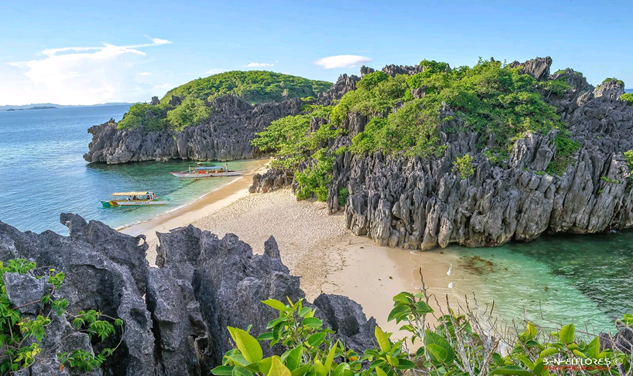
This lake at matukad island where milk fish are. No one dares to catch it since it’s a common belief in the area of its mythical guardian or something like it till that boatman caught one. They say as well that they rarely show to humans and it’s a privileged or blessed rather to see them. (Matukad Story)
Lahos Island in Caramoan, Camarines Sur
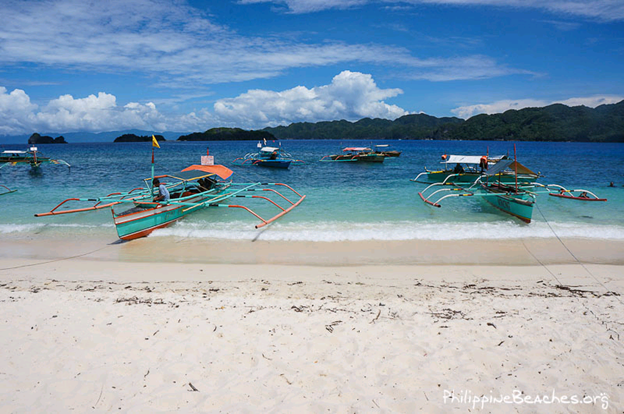
Among the extensive and majestic coastline and numerous wondrous islands, Lahos Island still stands out like a rare pearl in Caramoan. A journey to Caramoan Island will never be complete if you don’t get the chance to visit Lahos. It is said that it is named as such because its white sandy beach disappears with the high tide, the word “laho” in the vernacular, or “disappear” or “vanish” in English.
Even by looking at the map, it’s easy to tell that Lahos Island is quite a beauty. Its main beach is spread across the island, reaching both the eastern and western sides, while sandwiched by massive rock formations to the north and south. Lahos Island is part of the Caramoan National Park, making it a protected area.
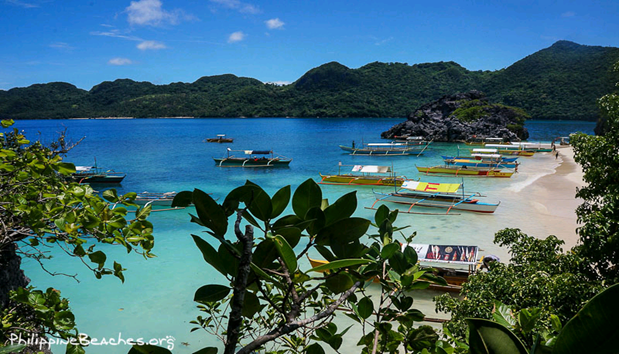
Lahos Island boasts of spectacular stretches of white sand beaches amongst striking and unique rock formations that partition areas of the island. Lush vegetation can be seen of various parts of the island. The aquamarine waters around the island are picturesque and ideal for swimming, snorkelling and scuba diving. Many tourists stop over at Lahos Island during their island hopping at Caramoan.
Catandayagan Falls in Masbate
Masbate has long been known as a land of many fascinating natural wonders, which include Catandayagan Falls located in the town of Monreal, Masbate in Ticao Island. Visitors who have come from all over the Philippines and beyond have been in awe of this breathtaking and amazing falls. It drops from 60 feet to its base into a pool of cool, clear water. It is a picture of grace and tranquility in the heart of nature.
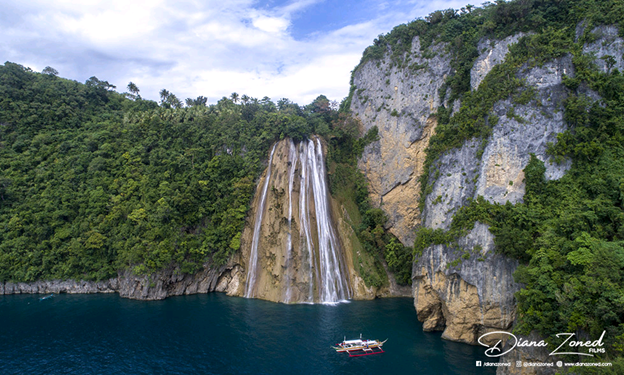
Catandayagan Falls, a falls located at the western side of Ticao Island in Masbate empties straight into the sea. This peculiarity makes it one of the most promising places to visit in the archipelagic province.
It drops from 60 feet to its base into a pool of cool, clear water. It is a picture of grace and tranquility in the heart of nature. Masbate has long been known as a land of many fascinating natural wonders, which include Catandayagan Falls located in the town of Monreal, Masbate in Ticao Island.
Lignon Hill Nature Park Legazpi City
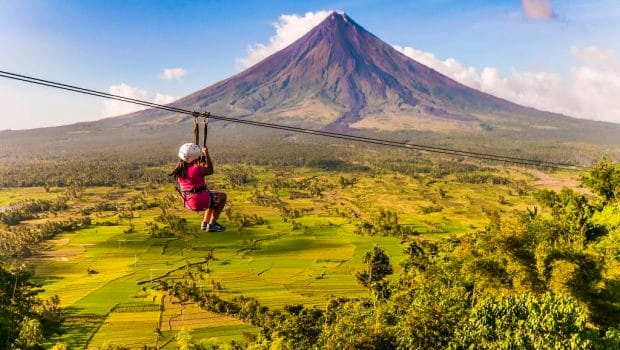
Up a 156-meter high hill in Legazpi City, you’ll find only the most carefree, spontaneous, and brave souls ready to take on some adventure.
Jump on the 320-meter long zipline where you’ll soar down the mountain with an incredible view of Mt. Mayon on your left and the green grassy plains far below.
The 156-meter high Ligñon Hill (also spelled Lingñon, pronounced as /li-NYON/) is one of Legazpi’s most famous landmarks. For years, Ligñon Hill is known only for the PHIVOLCS observatory located in its flanks and an old lighthouse on its summit. Today, it has become one of the city’s prime destinations for sightseers, adventurers and even fitness buffs. The new Ligñon Hill Nature Park offers sights and activities for all types of visitors.
Lignon Hill Nature Park is up so high that it offers a breathtaking 360-degree view of the valley and is the perfect place to watch the sunset and sunrise.
I hope you enjoyed my travel blog and helps you for your next travel destination. Thankyou!
 TheSightSeer